Sun Beach Sandflats Racing: our sponsored riders on Japan’s purest 1/10 mile
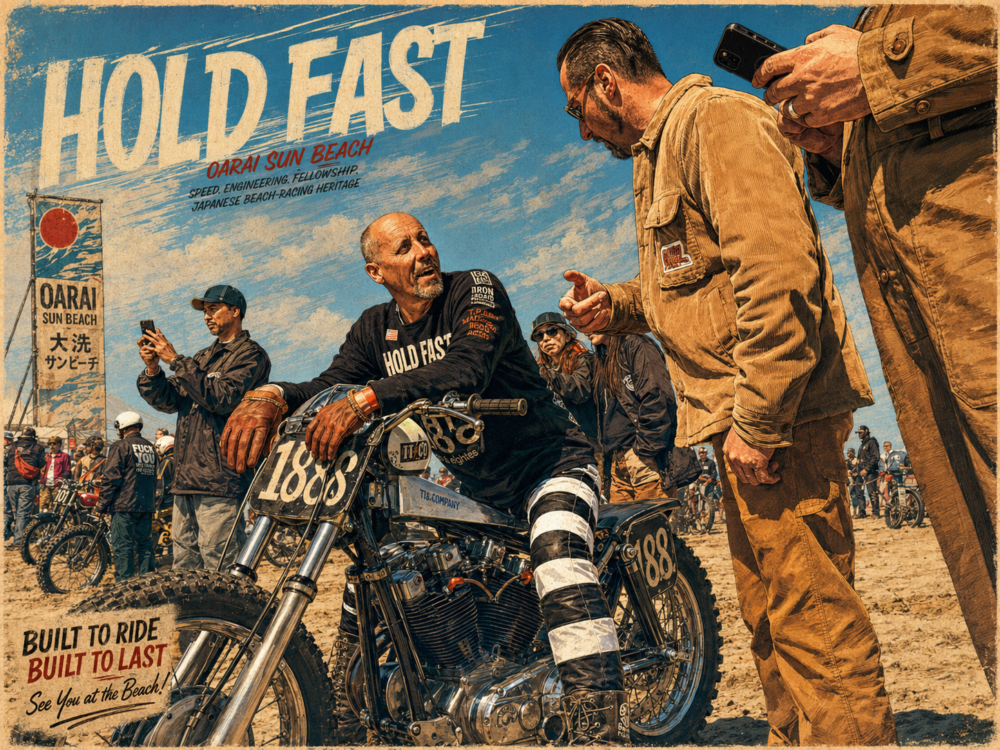
Sun Beach Sandflats Racing: three madmen, a ghost bike, a Japanese beach
On the coast of Ibaraki at Oarai, traditional builds launch down a 1/10 mile of hard-packed sand. School of Cool sponsors a team like no other: three guys, two weeks stuck in Japanese customs, a bike assembled in the rain over four days, race wins by Saturday afternoon, and the same bike sold on the beach before sundown. The story of a once-in-a-lifetime trip — except these guys are already plotting the next one.
The Sun Beach Sandflats at Oarai (Ibaraki, Japan) is the direct heir of Ormond Beach 1902, the ancestor of Daytona. Our team bought an unknown bike in West Virginia in January, watched it stuck 2 weeks in Japanese customs, assembled it in 4 days under the rain with parts none of them had ever seen — and won. The bike was sold on the beach. True story.
www.imagefactory-studio.com
Before purpose-built tracks, there were beaches
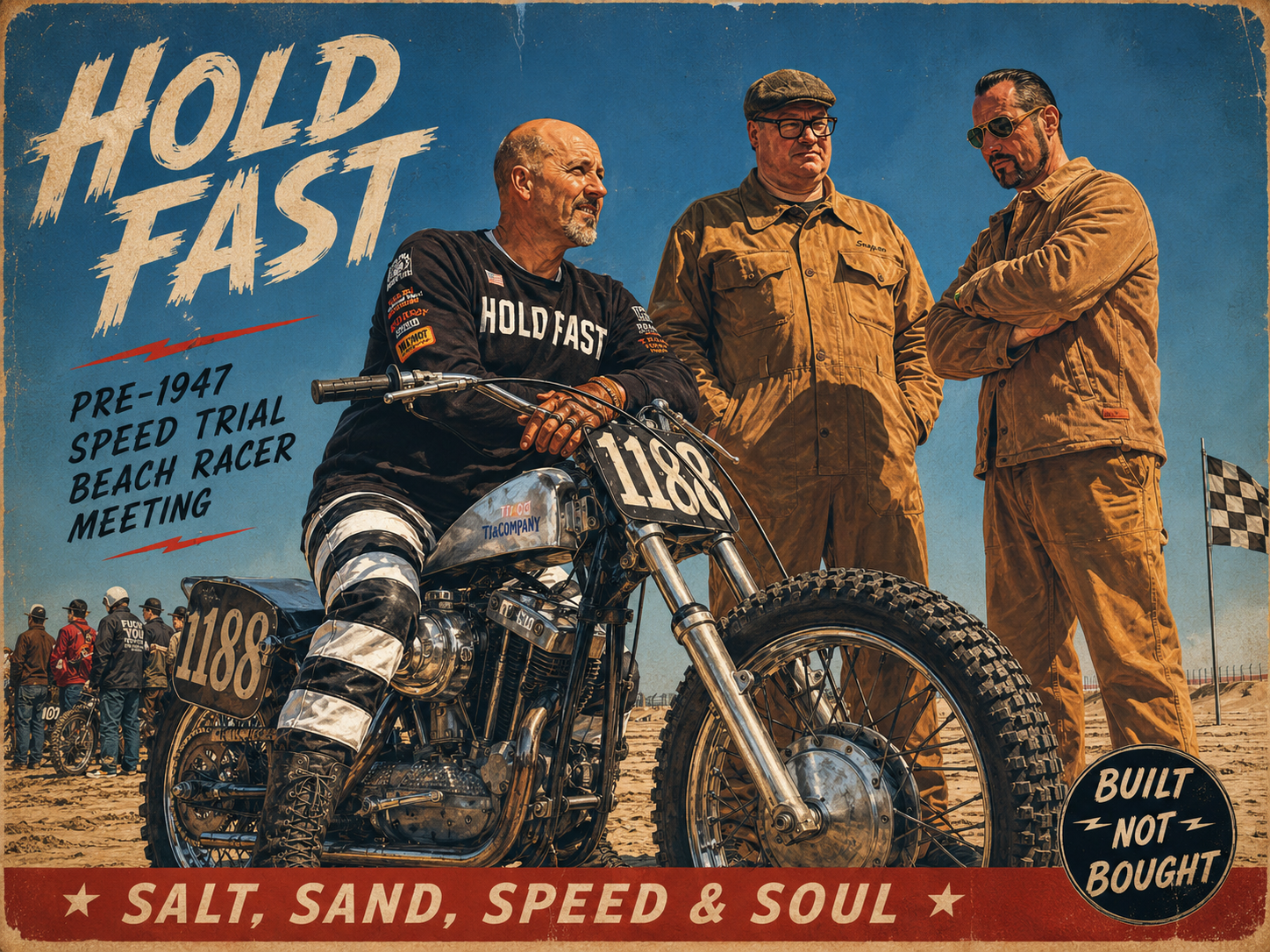
Purpose-built race tracks are a recent invention. For the first decades of motorsport, everything happened on beaches. The first speed trials date back to 1902 at Ormond Beach, just north of Daytona — a strip of hard, flat, endless sand that became hallowed ground in the history of automobile racing. That’s where organised sand racing was born. Long before Bonneville took over with its salt flats, it was the ocean tides that drew the track, and the quality of the grain that made the difference between a record and a crash.
That tradition didn’t stay American. It crossed the Pacific. In Japan, a tight-knit community of builders and riders made the code their own and re-built it their way. The Sun Beach Sand Flats at Oarai and the Chirihama Sandflats on the Noto Peninsula are the two major events of that parallel circuit. Not an imitation, not a costumed re-enactment — a genuinely Japanese take on the same century-old DIY ethos.
www.imagefactory-studio.com
Mid-January: the decision
Three guys decide they’re going to race in Japan in March. By mid-January they buy a bike in West Virginia. A machine that hasn’t run in years, with parts whose origins no one really knows. Off to Oklahoma, to a friend’s shop. Clutch, tires, gaskets — and the eternal question: will it even start?
The shop confirms: yes, the engine runs. But the shop falls behind. No time to test. No time to ride. The bike is disassembled, crated, and the fuel system is literally slipped into a carry-on. Off to Tokyo.
First setback: the bike gets stuck two weeks in Japanese customs. The race is approaching. A local sponsor steps in and clears the situation. The crate leaves the port on Tuesday. The race is Saturday. Four days.
Friday: assembling a bike you’ve never seen
The team lands in Tokyo. Rental car, drive to the house rented a few hours from the capital. First move: unbolting the rental car’s seats so the bike can fit inside. Thursday, down to the sponsor’s place to pick up the crate. Wild unpacking, parts piled into the van, coffee with the sponsor and friends, back to the house.
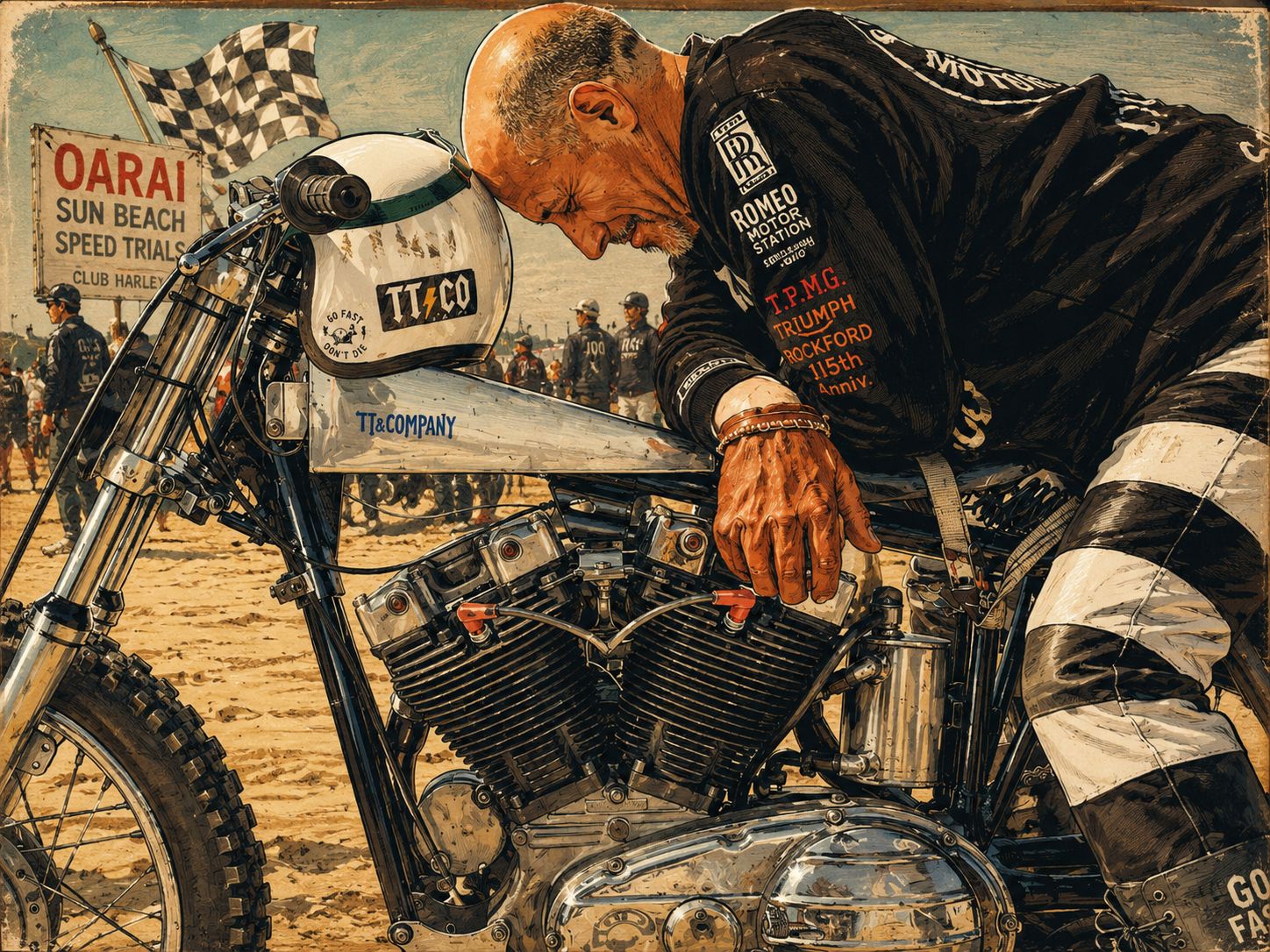
Friday. For the first time, the mechanic sees the pile of parts he’s going to have to work with. The rider has never ridden this bike. The photographer is staring at a puzzle no one has the box for. The wind is freezing, the van is turned to face it. Then it starts raining. The van’s rear hatch becomes an improvised roof. Hours pass. Several trips to the Japanese hardware store for screws and fittings missing from the crate.
When the engine finally turns over for the first time, no one on the team has ever heard this bike run before. Not the rider. Not the mechanic. Not the photographer. The sound coming out of the pipes that evening is a collective discovery.
Saturday at Oarai: race day
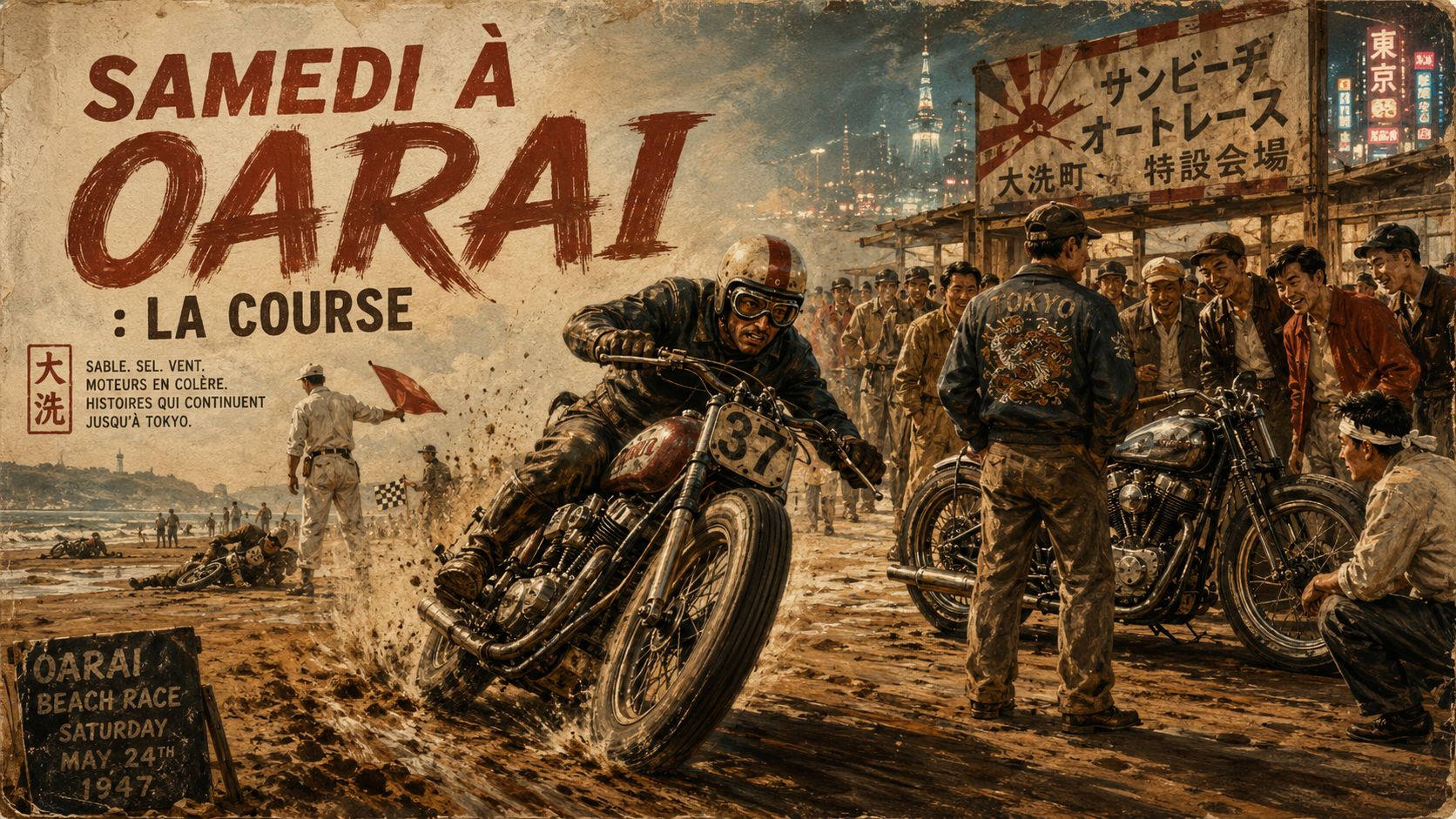
On the sand, the bike runs extremely well. The rider takes off, wins his heats. The runs stack up. The races get halted several times because of crashes elsewhere on the line — that’s also part of sand racing. But the bike draws attention. Locals notice. They come over, ask questions, walk around it. By the end of the weekend, the bike is sold to a Japanese rider who refuses to leave without it. Mission accomplished.
The team then heads to Tokyo, does the wildest things you can imagine, watches the impossible happen several times over. The kind of trip you do once in a lifetime — except with these guys, you can already tell they’ll be back.
The rider’s kit on sand
A Japanese beach in March means ten degrees of variation between runs, sand grinding into every bearing, and a crash at 50 mph that eventually arrives. You don’t send a rider out on that terrain without gear worthy of the discipline. Here are the four Hold Fast pieces that make up the team’s kit:
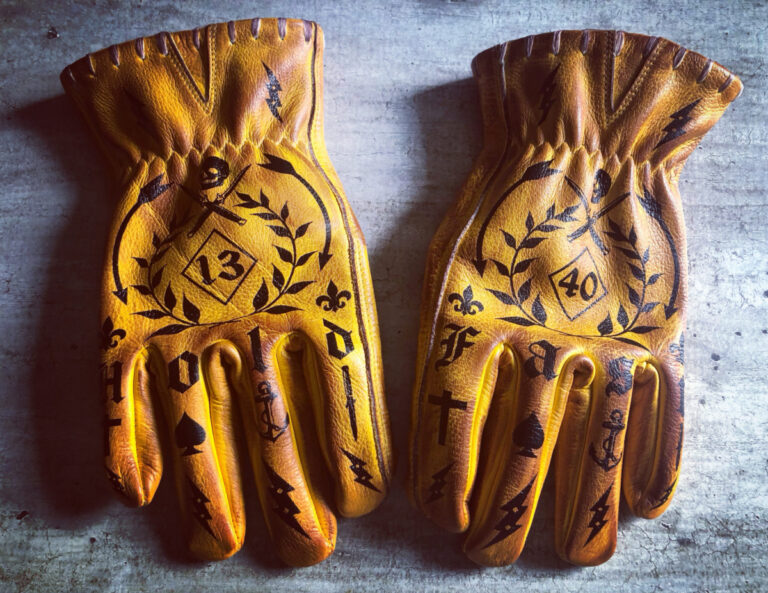
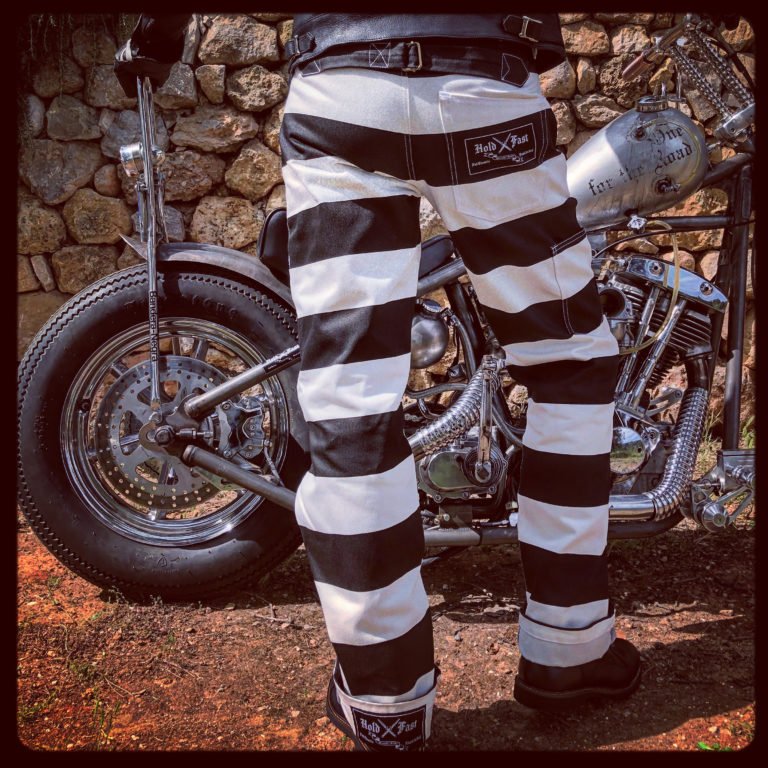
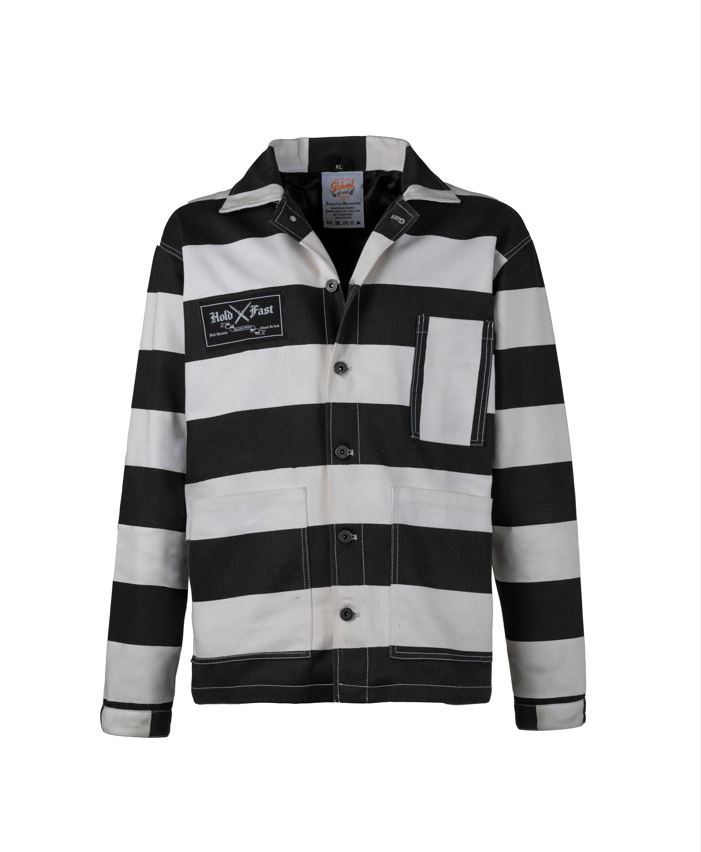
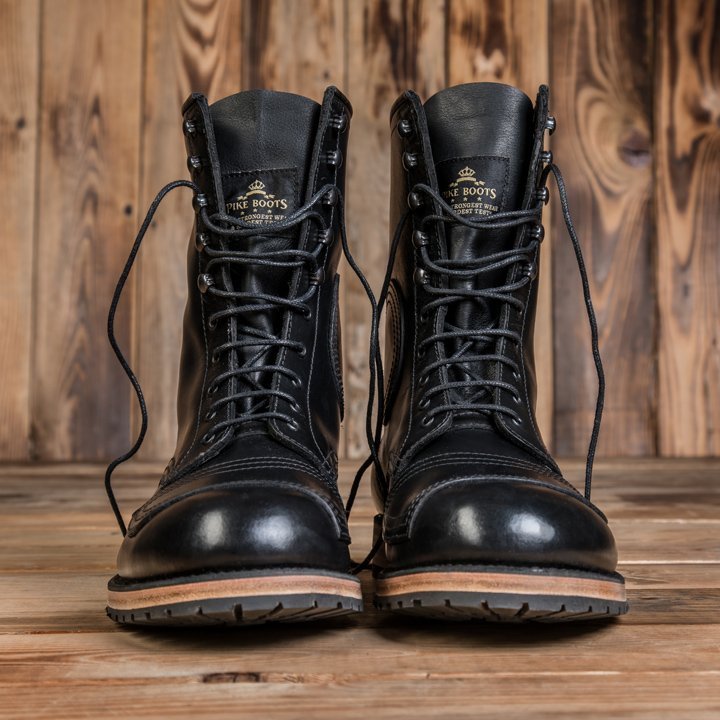
TipFull-grain leather gloves that take on the patina of the trip. Prison Pant 16oz that absorbs sand, wind and oil residue without falling apart after three races. Denim Japan-style jacket for the identity statement. Explorer boots over the pant cuff — golden rule on sand.
The takeaway
The Sun Beach Sandflats Racing isn’t a competition in the strict sporting sense. It’s a ritual. A demonstration that mechanics, style and culture can still merge when you accept the unexpected. It’s also a useful reminder: the gear matters. The respect for craft that connects Ormond Beach 1902 to Oarai 2026 is the same way of preparing your machine, protecting your rider, and accepting that everything can be decided in ten seconds on a strip of hard sand.
And let’s be honest: when an unknown bike, assembled in four days under Japanese rain by three guys who’d never heard it run, wins its heats and finds a buyer on the very sand it raced on… there’s something that goes beyond pure mechanics. That’s the part we sponsor.
The team’s kit, available now
Hold Fast — Marseille workshop. The same pieces our sponsored riders wear on Japanese beaches. 24-48h delivery, 14-day returns.